
[Feel free to download the audio file and bring it with you on your nature expeditions]
DRAWING NATURE
There’s so much to say about drawing in nature, and so many different ways to approach it. I want to share two practices with you—because they’re the ones I’ve personally used throughout my life.
The first I learned from my grandmother. She was primarily a potter, but she had drawn all her life. When she grew older, she would take her car and a small set of crayons or pastels, and drive through the Swedish countryside. She’d park somewhere quiet, stay in the car, and sketch or paint the landscapes around her. She loved this practice deeply. It was something she learned from her father, who had been an impressionist painter. When I was little, I’d sometimes go with her. She would give me a small piece of paper and some of her pastels, and I’d sit next to her and draw whatever was in front of us. She especially loved painting gardens and sunsets. Those moments shaped the way I approached drawing in nature. And even today, I sometimes return to that early practice. There’s something profoundly alive about drawing a line directly from nature—the curve of a leaf, the winding of a stream, or the shape of driftwood washed up on the shore. It becomes a meditation. I encourage you to try this today. Keep it simple. I like to travel light, so I usually bring a small block of paper, a pencil or some charcoal, and go for a walk. I let myself be drawn to something quiet and unassuming. Making it easy and accessible helps me leave more space for contemplation and ease in the body.
This is one form of practice: drawing life as you feel and observe it, directly from nature.
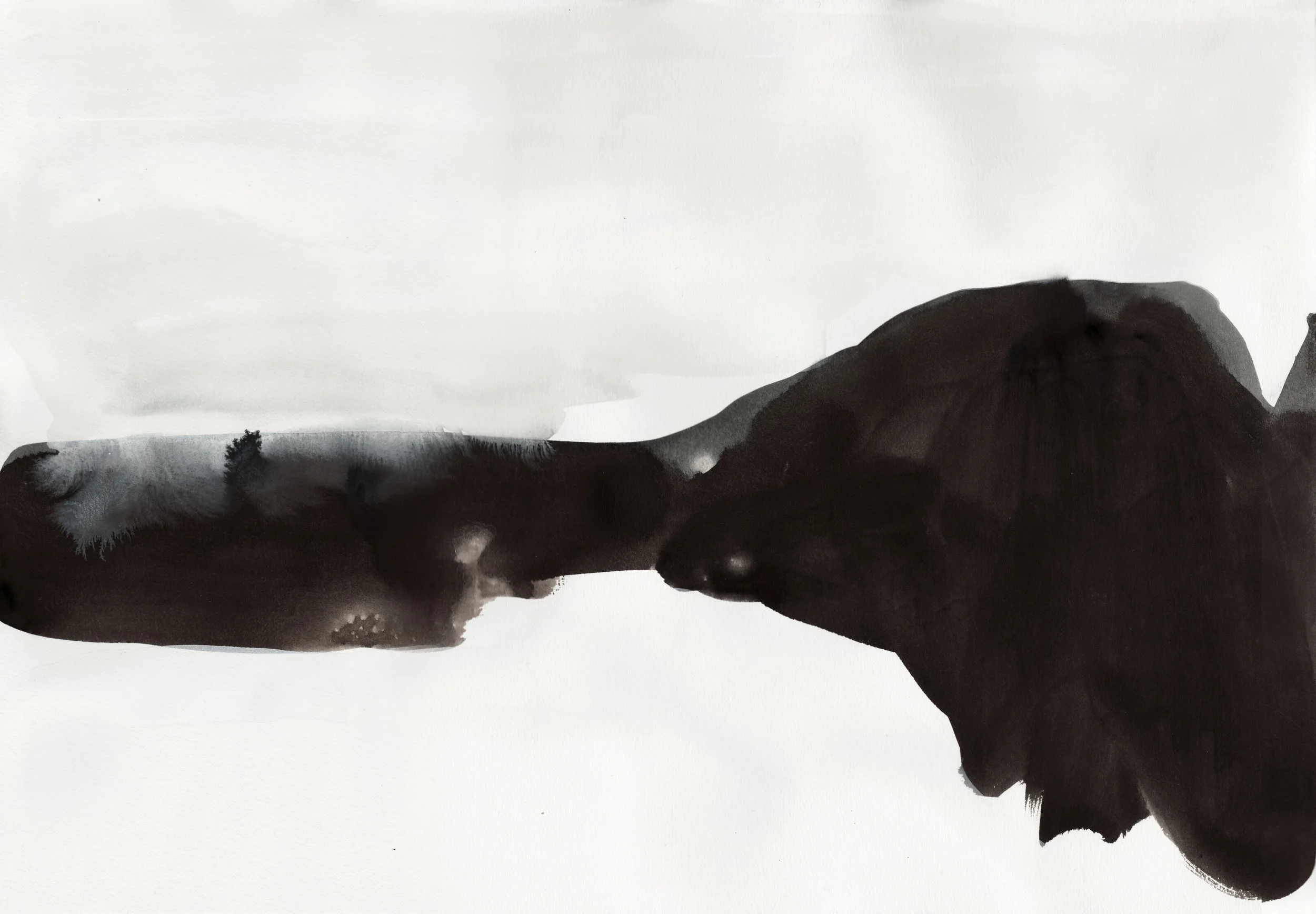
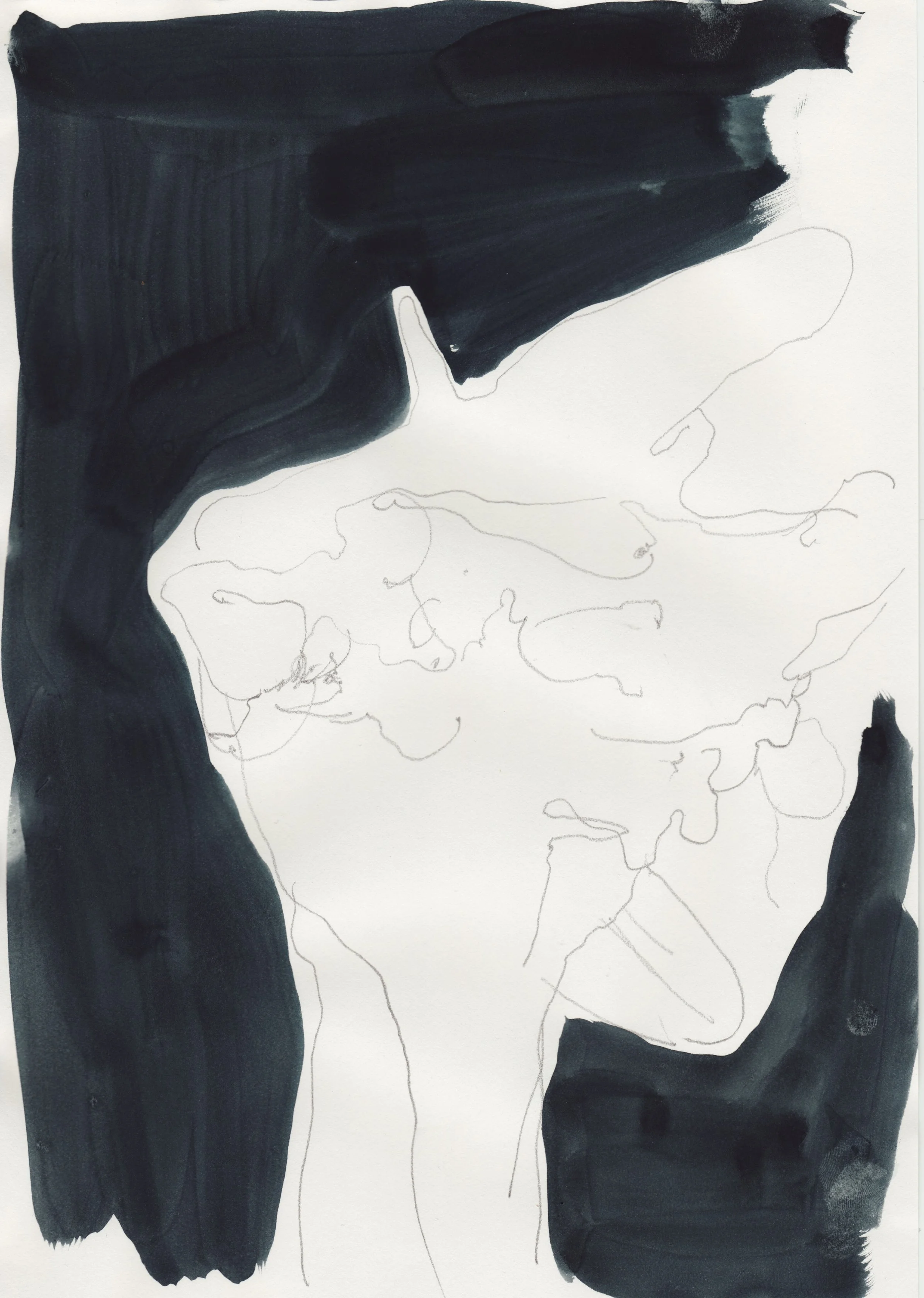
The second practice, which I use more often these days, is drawing from memory. When I draw this way, I’m not trying to represent the landscape literally. Instead, I work from the feeling I experienced during a walk, a moment, or a place. It’s similar to one of the earlier portrait exercises in this course—when we explored drawing from the feeling of a person’s presence, rather than just the surface.
In this memory-based practice, I let myself be guided by color, by gesture, by the awe or wonder of the experience. I allow my body to express whatever needs to come through onto the canvas or paper. I typically use watercolors or soft pastels for this, and I let the process carry me. Most of my recent work has emerged from this approach.
The first technique—drawing in nature—involves more of the senses and the mind. There’s attention, discernment, and technique. The second—drawing from memory—is more about surrender, feeling, and immersion. My invitation to you today is to explore both. Try them out and see what resonates most.
And don’t be rigid about it. The two may blend for you. You might be drawing in nature and find yourself swept into a deep feeling, creating something abstract and emotional. Or you may start with a memory and end up sketching something quite realistic.
For me, painting and drawing are about relationship—about connection, contemplation, and witnessing. And nature has always been my greatest inspiration. She’s always there—whether in the physical world or in memory. Always present.
You can make your practice as spiritual or mystical as you want. That’s the beauty of it.
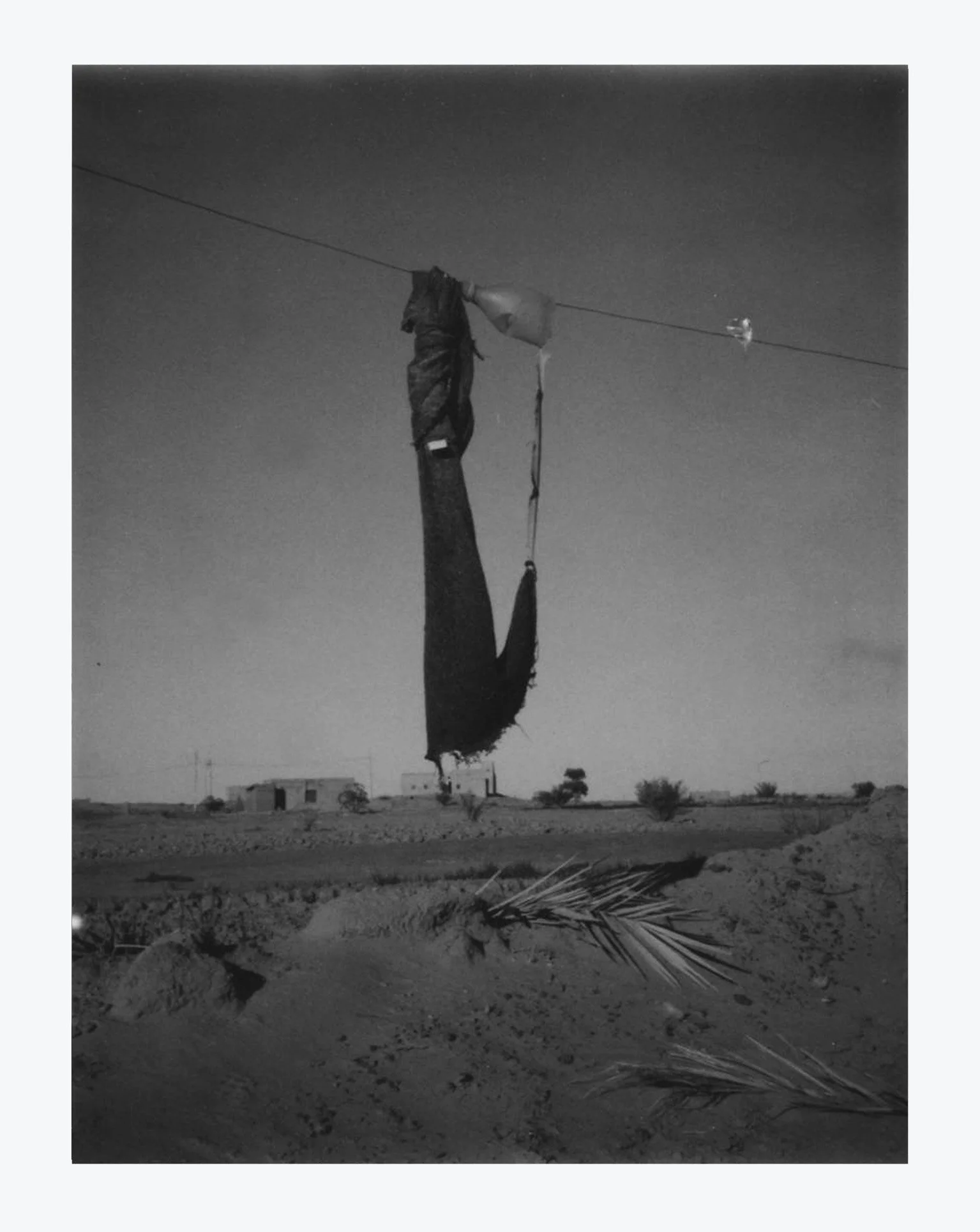
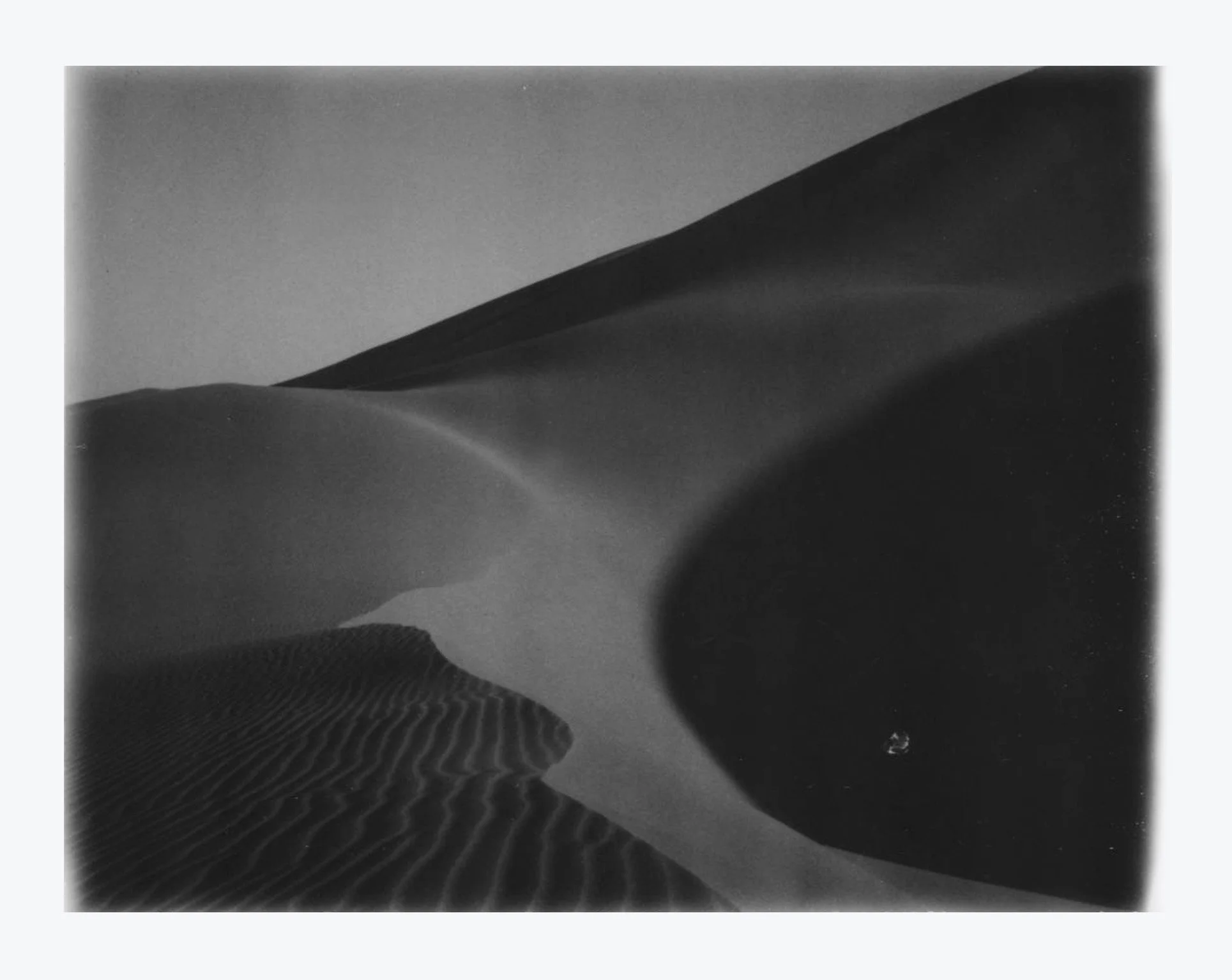
In this module I have included imagery that blends abstract forms inspired by nature and realism in photography and gouache. I would recommend also browsing the work of Gerhard Richter, he is such a master of abstract landscaping.
Enjoy the process. Pleasure is such a vital part of creativity—it helps unlock passion and flow. So have fun, explore, and if you feel like it, I’d love to see what you create in the live call.
Meditation
The below meditation is inspired by the ancient japanese practice of Shin-rin Yoku: therapeutic forest bathing. Downoad it and bring it wih you to do with a dear tree or a plant that calls you to connect.
Sit by it and listen.
Yoga Nidra
A yoga nidra journey to integrate and ground.